How Cabinet Refinishing Enhances Modern Appearance
Rejuvenate Your Kitchen: The Benefits of Cabinet Refinishing
Cabinet refinishing offers a viable option for homeowners aiming to improve their kitchen spaces without the expenses tied to complete replacements. This approach not only refreshes the look of existing cabinets but also supports eco-friendly practices by minimizing waste. With numerous finish and color options on the market, homeowners can achieve a personalized look. That said, the process calls for meticulous planning and deliberate consideration. What steps are necessary to secure a successful cabinet refinishing outcome?
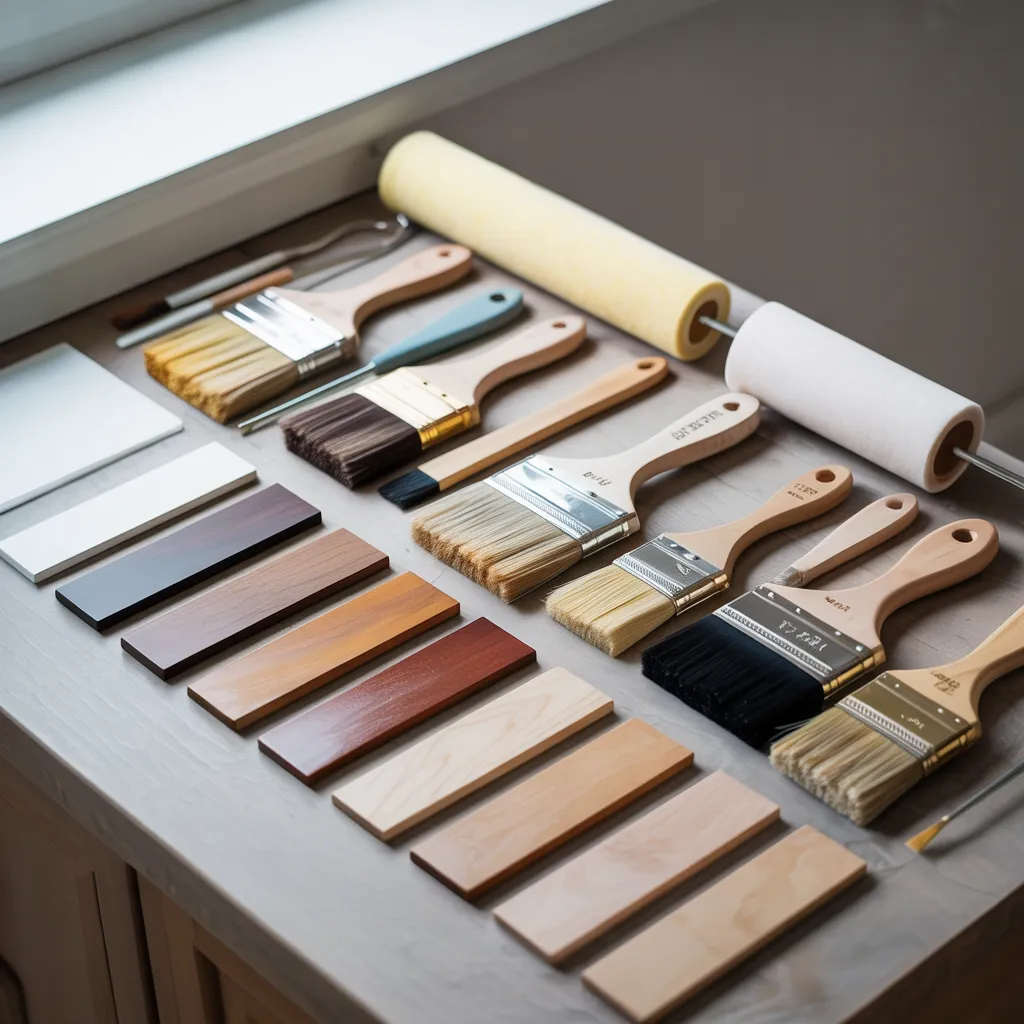
A Guide to Successfully Refinishing Your Cabinets
Refacing cabinets requires a set of methodical stages that will dramatically improve a kitchen's appearance. The procedure commences with thorough cleaning, ensuring all grease and grime are report removed. Next, hardware must be detached, allowing for better access to the surfaces. The sanding stage comes next, which helps the new finish adhere properly by producing a uniform surface.
Following the sanding process, it is important to clean away any dust with a moistened cloth. The following step involves applying a coat of primer, which improves the longevity of the finish. After the primer has dried, the refinishing process can commence, which usually requires several coats of paint or stain. Every coat needs sufficient drying time to ensure a perfect finish. As a final step, when the last coat has completely dried, putting the hardware back in place finishes the job. By carefully executing these steps, homeowners can achieve a refreshed kitchen aesthetic without the expense of a complete remodel.
Selecting Finishes and Colors for Cabinet Refinishing
Choosing the perfect hues and finishes for cabinet resurfacing can have a major effect on the general appearance of a space. Prevailing color preferences often shift, shaping decisions on colors that enhance existing decor. Furthermore, understanding various finish types and how they coordinate with particular design styles and themes is crucial for creating a unified appearance.
Popular Color Trends
What colors and finishes are now attracting homeowners who want to renovate their cabinetry? Gentle neutrals, including warm grays and creamy whites, are trending options, delivering an enduring and flexible base for diverse kitchen aesthetics. Additionally, deep blues and forest greens are gaining traction, making a striking impression while preserving sophistication. These vibrant shades produce a compelling contrast alongside lighter surfaces and fixtures. Another emerging trend includes the use of matte finishes, which impart a modern and sophisticated look, steering away from high-gloss surfaces. Homeowners are additionally experimenting with two-tone cabinetry, blending contrasting colors for a distinctive and customized look, enabling artistic expression while boosting visual appeal throughout the kitchen area.
Understanding Finish Types
With popular color trends like soft neutrals and bold hues enchanting homeowners, selecting the right finish becomes increasingly important in cabinet refinishing. Different finish types fulfill distinct aesthetic and functional roles. As an example, a matte finish provides a modern, understated appearance, while a glossy finish enhances durability and makes colors pop. Satin finishes offer a middle ground, delivering a gentle sheen that suits a range of styles. Furthermore, water-based finishes are preferred for their minimal odor and rapid drying time, whereas oil-based choices produce a deep, vibrant color but necessitate longer drying times. Grasping these distinctions empowers homeowners to identify finishes that align with modern trends while addressing their unique needs and preferences, guaranteeing a rewarding cabinet transformation.
Harmonizing Styles and Themes
As homeowners begin on the process of cabinet restoration, matching finishes and colors to existing styles and themes is crucial for creating a unified appearance. Selecting the right hues and finishes can improve the visual appeal of the kitchen, whether opting for a modern, rustic, or traditional style. For updated kitchens, sleek, glossy finishes in neutral tones may be ideal, while softer, flat finishes pair beautifully with farmhouse aesthetics. Furthermore, bold color contrasts can add visual depth when paired thoughtfully with countertops and backsplashes. Homeowners need to account for existing features, like flooring and appliances, to maintain balance. By deliberately aligning styles and themes, restored cabinets can turn the kitchen into a harmonious and appealing environment.
Reasons Cabinet Refinishing Is Superior to Replacement
While the allure of brand-new cabinets can be tempting, cabinet refinishing presents a highly practical and cost-effective solution for homeowners seeking to refresh their kitchens. This process enables homeowners to preserve their current cabinets while transforming their look, saving both valuable time and significant money. This process involves stripping, sanding, and repainting or staining the cabinets, resulting in a fresh look without the need for full replacement.
Additionally, refinishing reduces waste and proves more eco-conscious than disposing of outdated cabinets. The core structure is kept in place, ensuring lasting strength while decreasing the environmental impact of manufacturing replacement cabinetry. Homeowners may also adjust finishes to suit their shifting preferences, creating a unique aesthetic without the need for extensive remodeling. In the end, cabinet refinishing emerges as an intelligent solution, delivering visual improvement and environmental responsibility, while bypassing the steep expenses and inconveniences of full cabinet replacement.
How Cost-Effective Is Cabinet Refinishing?
Cabinet restoration presents a budget-friendly approach for homeowners in search of an improvement. By significantly reducing the cost of materials and minimizing labor costs, this choice proves to be an appealing alternative to total cabinet replacement. As a result, refinishing allows for a renewed appearance without exceeding your budget.
Decreased Material Expenditures
When homeowners want to revitalize their kitchens, selecting cabinet refinishing stands out as a smart financial option. In contrast to complete cabinet replacement, which requires buying new materials and hardware, refinishing centers on upgrading current structures. This method significantly lowers material costs, as it primarily requires paint, stain, and sealants rather than entire cabinets. Furthermore, refinishing removes the necessity for expensive new cabinetry, which can inflate overall project costs. Homeowners can attain a fresh new appearance without the monetary strain of acquiring and installing new materials. By choosing refinishing, they not only cut expenses but also reduce waste, making it an eco-friendly option. Consequently, cabinet refinishing emerges as an excellent solution for those seeking to renovate their kitchens cost-effectively.
Decreased Workforce Costs
Enhancing kitchen visuals becomes more cost-effective with reduced labor costs associated with cabinet refinishing. Unlike full cabinet replacement, which often requires extensive installation efforts, refinishing usually requires less demanding work processes. Qualified experts can skillfully strip, sand, and resurface original cabinets without the need for structural adjustments. This efficient method not only reduces project duration but also decreases labor time, resulting in substantial expense reductions for homeowners. Furthermore, most refinishing jobs can be finished within just a few days, minimizing inconvenience within the home. By prioritizing aesthetic improvements over full replacements, homeowners can accomplish a renewed aesthetic while controlling overall expenses. Ultimately, decreased labor costs make cabinet refinishing a cost-effective solution for kitchen renovation.
How Cabinet Refinishing Can Increase Your Home's Value
Cabinet refinishing not only rejuvenates a kitchen's look but also considerably increases a home's appeal to buyers. Potential buyers often prioritize updated kitchens, viewing them as a sign of overall home maintenance and care. A renewed, stylish aesthetic can greatly influence initial impressions, motivating prospective buyers to imagine themselves enjoying the space.
Additionally, cabinet refinishing can achieve a cohesive design, complementing modern design trends and boosting the apparent value of the property. By opting for a refinishing approach over complete replacement, property owners can attain a premium finish at a fraction of the price, rendering it a cost-effective choice that yields returns during resale.
Ultimately, a expertly refinished kitchen can make a home stand out among others for sale, which may result in quicker sales and higher offers. This investment not only improves the day-to-day living experience but also serves as a strategic move for long-term financial gain.
The Environmental Benefits of Cabinet Refinishing
Cabinet refinishing offers significant ecological benefits, as it reduces the need for new materials and minimizes waste. By deciding to refinish cabinets rather than replace them, homeowners can considerably lower the demand for wood and related resources, which helps preserve forests and ecosystems. This practice also reduces landfill contributions, as old cabinets frequently generate substantial waste.
Furthermore, refinishing typically requires a reduced amount of chemicals and materials than total replacements, contributing to a reduced ecological footprint. Employing environmentally friendly coatings and finishes can greatly strengthen these advantages, reducing toxic emissions during both production and application.
Moreover, the power consumption linked to creating new cabinets is bypassed, fostering a more sustainable perspective on home improvement. Overall, cabinet refinishing doesn't just revitalizes living spaces but also contributes positively to eco-friendly conservation initiatives, making it a conscientious decision for eco-conscious homeowners.
Typical Mistakes You Should Avoid When Refinishing Cabinets
Many homeowners overlook essential details when renovating their cabinets, resulting in disappointing outcomes. One typical oversight is not taking the time to completely clean the cabinet surfaces beforehand. Dust, grease, and grime can prevent adequate paint or stain adhesion. Additionally, neglecting to sand the cabinets adequately can result in a rough finish. Many homeowners fail to recognize the significance of choosing a suitable primer; the wrong option can undermine the overall quality and lasting results.
Another frequent error is neglecting to use proper tools, which can cause inconsistent application. Proper time management is equally important; hurrying through the work can yield sloppy results. Finally, poor ventilation during the restoration process can present serious health concerns and negatively impact the end result. By steering clear of these frequent mistakes, homeowners and DIY enthusiasts can attain a polished, professional outcome that boosts the aesthetic appeal and lifespan of their cabinetry.
Questions We Often Receive
How Much Time Does Cabinet Refinishing Usually Require?
Cabinet refinishing generally requires approximately three to five days. This timeframe includes preparation, sanding, applying new finishes, and drying. Factors such as cabinet size and complexity can affect the overall duration of the project.
Can I Refinish Cabinets Myself or Hire a Professional?
Homeowners can choose to handle cabinet refinishing as a DIY project, cutting expenses while necessitating skill and dedication. On the other hand, working with a professional guarantees quality results and efficiency, making it a suitable option for those lacking experience or resources.
Which Materials Work Best for Cabinet Refinishing Projects?
For cabinet refinishing work, high-quality sandpaper, wood primer, and durable paint or stain are essential. Additionally, using a good brush or sprayer guarantees an even finish, while protective sealants guard against wear and moisture.
Will Refinishing Cabinets Affect My Kitchen's Warranty?
Refinishing kitchen cabinets could affect a kitchen cabinet warranty, based on the manufacturer's policies. Cabinet owners are advised to consult the warranty paperwork or reach out to the manufacturer directly to confirm any potential consequences before starting cabinet refinishing work.
How Do I Maintain Refinished Cabinets Long-Term?
To preserve cabinet refinishes long-term, consistent cleaning with gentle cleansers, refraining from abrasive chemicals, and utilizing soft cloths is essential. Moreover, controlling humidity and temperature helps prevent damage, guaranteeing long-lasting beauty and function.